Vitech Development Limited

Cookware Handle

What Is Cookware Handle


Kitchen cookware handle may seem like a small detail in the grand scheme of cooking. Still, they play an essential role in the overall cooking experience. Handles not only provide a way to move the cookware set from stove to counter or oven, but they also contribute to safety, comfort, and control while cooking.


Benefits of Cookware Handle
 

Space saving
Sorting through your cabinets for the right pan can be a frustrating experience. As much as you try to keep things organized, you inevitably end up with handles poking out in different directions, making the search feel more like an exercise in unpacking (and repacking).
But when your cookware has removable cookware handle, this clever hack allows you to stack your pots and pans neatly. This means you save storage space while also making your search efforts a whole lot simpler.


Versatility
When it comes to cooking, a single method isn't always the best method. That means your materials need to be versatile. Nothing embraces versatility more than cookware handle. Not only can you cook how and where you need to, but you can also maximize the use of your cookware, doubling it as an elegant serving dish.


Safety
Reducing the risk of burns is an important feature of cookware handle. Whether you're cooking on the stovetop or in the oven, not having a potentially hot handle to grab onto ensures your safety and the safety of your family. Accidental encounters with hot handles can cause serious burns. When the handle is detached, it stays cool and clicks on securely only when you need it.


Storage
When you've cooked a big family meal and you have leftovers to store, cookware handle saves you time. Whether it's a pot of soup or a saucepan with extra Bechamel, simply remove the handle after the pot has cooled, put a cover over it, and pop it into the refrigerator. When you're ready to reheat, simply snap the handle back on and it can go right back onto the stovetop.


Why Choose Us


Quality Assurance
In addition to the conventional measuring tools such as durometer and projector, we also have advanced measuring equipment such as ZEISS CMM, universal testing machine to meet the advanced measurement requirements of product size and material.
The professional QC team also enables us to check the quality of each batch of products in the factory to ensure the quality of each batch of products delivered.


Experience and expertise
The technicist, salesman and inspector in our team have rich professional knowledge and business experience. All of them are focused on providing the custom with products worth every penny.


Quality Services
Continuously providing product/service to customer in U.S.A, Canada, Germany, England etc. more than 20 years. We supply to many famous companies in the World like LEGRAND, LEMKEN, ABB, RHEEM, ZURN, WATTS etc.


Cookware Handle Uncovered: What's the Best Material for Your Kitchen?
 

Stainless Steel Cookware Handle
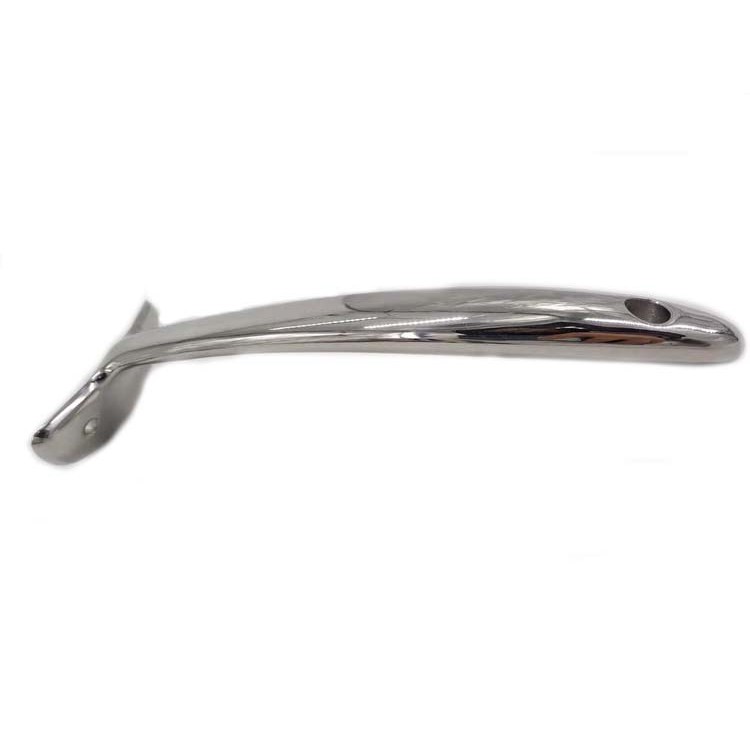
Stainless steel cookware handles are synonymous with professionalism and durability. Made from an alloy that resists corrosion and staining, these handles are often found in high-quality cookware. They offer a sleek appearance and a firm grip, often staying cool to the touch depending on their design.
Pros:
Durability: Stainless steel is highly resilient and can withstand heavy use.
Easy to Clean: Being non-porous, it doesn't absorb stains or odors.
Appearance: Its shiny and sleek look adds a touch of elegance to your kitchen.


Common uses and recommendations
Stainless steel cookware handles are often found on professional cookware used in commercial kitchens and upscale home kitchens. If you're looking for something that's robust, easy to maintain, and adds a modern aesthetic touch, stainless steel handles might be the choice for you. They're particularly recommended for those who cook frequently and need something that can endure the daily grind.


Cast Iron Handles
Cast iron cookware handles carry the same rugged and heavy characteristics of cast iron cookware itself. Often manufactured as a single piece with the cookware, these handles are robust, providing a rustic look and feel. However, they have unique properties that may affect the user experience.
Pros:
Durability: Cast iron cookware handles are incredibly strong and can last generations if properly cared for.
Heat Retention: These handles hold heat well, making them perfect for certain cooking techniques.


Common uses and recommendations
Cast iron cookware handles are synonymous with traditional and heavy-duty cooking. They're often found on skillets, Dutch ovens, and griddles designed for long cooking processes or high-heat searing. If you love cooking methods that require maintaining high heat or enjoy the aesthetics of rustic cookware, cast iron cookware handles could be an excellent choice for you. Just be prepared to handle the weight and take precautions to avoid burns from the hot handles.


Wood Cookware Handles
Wood cookware handles add a touch of elegance and natural beauty to cookware. They provide a comfortable grip and don't conduct heat, making them cool to the touch during cooking. Typically made from hardwoods like oak, cherry, or walnut, wood cookware handles are shaped and polished for a pleasant tactile experience.
Pros:
Aesthetic Appeal: Wood cookware handles offer a warm, timeless appearance that complements many kitchen decors.
Heat Insulation: Unlike metal, wood doesn't conduct heat, ensuring the handle stays cool during stovetop cooking.
Comfort: The texture of wood provides a comfortable and ergonomic grip.


Common uses and recommendations
Wood handles are commonly found on frying pans, saucepans, and specialty utensils where oven use is not required. They are best suited for those who prioritize comfort and aesthetic appeal in their cookware and are willing to provide the necessary care to maintain them. If you appreciate the tactile pleasure and beauty of wood and mainly cook on the stovetop, cookware with wooden handles could be an excellent addition to your kitchen. However, be mindful of the care requirements and limitations regarding oven use.


Silicone Cookware Handles
Silicone cookware handles have gained popularity in modern kitchens due to their versatility and functionality. Made from flexible yet durable silicone rubber, these handles are often designed to be ergonomic and provide a secure grip. They are heat-resistant, often up to very high temperatures, and add a touch of color and style to cookware.
Pros:
Heat-Resistant: Silicone cookware handles can withstand high temperatures, making them suitable for both stovetop and oven use.
Comfortable Grip: The soft, non-slip surface of silicone provides a comfortable and secure grip, even with wet hands.
Easy Maintenance: Unlike wood, silicone is not sensitive to moisture or detergents and can be easily cleaned in the dishwasher.
Color Variety: Available in various colors, silicone handles can add a decorative touch to your kitchen.


Common uses and recommendations
Silicone cookware handles are found on a wide variety of cookware, including pots, pans, bakeware, and utensils. They are an excellent choice for those looking for a combination of comfort, functionality, and a modern aesthetic. If you often switch between stovetop and oven cooking, need something that's easy to care for, or simply want to add a pop of color to your kitchen, cookware with silicone handles may be the right choice for you. Consider the overall design and quality of the cookware, as silicone handles can vary in their durability and comfort.


Plastic Cookware Handles
Plastic cookware handles, commonly found on a wide array of cookware, are made from various synthetic polymers. They are generally designed for comfort and affordability but can vary significantly in quality and heat resistance.
Pros:
Lightweight: Plastic cookware handles are often lighter than metal, making them easier to handle.
Affordable: Cookware with plastic cookware handles is typically less expensive, making it accessible for various budgets.
Comfortable Grip: Many plastic cookware handles are ergonomically designed for a comfortable and secure grip.
Aesthetic Variety: Plastic cookware handles can come in various colors and designs, allowing for customization.


Common uses and recommendations
Plastic cookware handles are most commonly found on utensils, cookware sets aimed at beginners, or budget-friendly options. They can be suitable for general cooking needs but may not be ideal for high-heat cooking or prolonged oven use. When choosing cookware with plastic cookware handles, it's crucial to look for high-quality, heat-resistant plastics, ideally those labeled as BPA-free. For a long-lasting and safe cooking experience, be sure to follow the manufacturer's guidelines regarding heat exposure and cleaning.


How to Use Kitchen Cookware Handles Properly
Stainless Steel Cookware Handle

Check the cookware handle before cooking: Before cooking with any cookware, make sure to check the cookware handles for any damage or looseness. A loose or damaged handle can make it difficult to control the cookware and may result in less heat resistance, comfort, and grip.


Use oven mitts or pot holders: When moving hot cookware, always use oven mitts or pot holders to protect your hands from burns. But with cookware handle, you don't need those because they have stay-cool handles which will not get heated even in high-temperature use.


Grip the handle firmly: When picking up or moving the cookware, always grip the cookware handle firmly with your hand, making sure it is centred on your palm for balance. Also, wipe the handles if any oil spills or if it's wet so it won't be slippery and you'll get a firm grip.


Use two hands for heavy cookware: For larger, heavier cookware, use both hands to lift and move the cookware. A better cookware handle will provide more stability and control while cooking. Some cookware will have a long handle and a smaller handle, which acts as extra support; this will provide added stability when lifting a heavy pot/ pan.


Avoid overloading the cookware: Overloading the cookware can make it difficult to control and can cause the handle to become too hot to touch. Make sure to follow the manufacturer's recommendations for proper usage and weight capacity. Overloading with cast iron cookware will make it too heavy to carry, so be careful with the appropriate instructions.


Considerations For Choosing Cookware Handle Material


Material Properties and Heat Conductivity
Different cookware handle materials conduct heat differently. While metals like stainless steel might become hot during cooking, materials like wood and silicone stay cooler. Consider how you'll use the cookware and your tolerance for cookware handle temperature when selecting a material.


Durability and Maintenance
Some materials may wear down or degrade more quickly than others, especially if not cared for properly. Stainless steel and cast iron might last longer but require specific cleaning techniques, while wood can degrade if exposed to moisture repeatedly.


Aesthetic Preferences
The look and feel of the cookware handle can greatly influence the overall appeal of cookware. Consider the style of your kitchen and personal preferences when choosing a cookware handle material. For a modern look, stainless steel might be suitable, while wood offers a more rustic appearance.


Cooking Style and Compatibility
The way you cook and the types of dishes you prepare might also guide your choice of cookware handle material. For instance, if you frequently move your cookware from stovetop to oven, you'll need cookware handles that can withstand high oven temperatures.


Ergonomic Design and Comfort
The shape, weight, and texture of the cookware handle affect how comfortable it is to hold, especially during extended cooking sessions. Think about your own comfort and how the cookware handle's material might play a role in that. Materials like silicone might provide a more comfortable grip.


Environmental and Health Considerations
Consider eco-friendly materials if sustainability is a priority for you. Likewise, pay attention to potential health considerations, such as coatings or treatments used on the cookware handle material that might interact with food.


Cost Considerations
The material of the cookware handle can significantly influence the overall cost of the cookware. While custom and specialized cookware handles might offer unique benefits, they often come at a premium price.


Our Company


Vitech Development Limited has been focusing on product design, development and OEM products which are used widely in all commercial, industrial and civil fields.
We are professional in many of the markets in which we operate and are distinguished by high quality service and innovative design based on the drawing, even an idea.
We stick to the fact from the beginning that the competitive pricing and quality are the starting points of all business.
The technicist, salesman and inspector in our team have rich professional knowledge and business experience. All of them are focused on providing the custom with products worth every penny.


productcate-1-1


Asked Questions


Q: What kind of material can be used for the cookware handle of pan?

A: Copper and iron are metals which are good conductors of heat. So, the cookware handle of a frying pan should be made from wood or plastic.

Q: How do cookware handles stay cool?

A: The air in the core of the cookware handle insulates against heat during stovetop cooking. For all types of stainless steel handles, the heat setting and length of the handle determine how long the handle will stay cool to the touch. Long stick handles will usually stay cooler than shorter side handles.

Q: Do made in cookware handles get hot?

A: It heats up quickly, and the heat distribution stays consistent while the sturdy and ergonomic cookware handle always stays cool.

Q: How do cookware handles stay cool?

A: The air in the core of the cookware handle insulates against heat during stovetop cooking. For all types of stainless steel handles, the heat setting and length of the handle determine how long the handle will stay cool to the touch. Long stick handles will usually stay cooler than shorter side handles.

Q: How are pan handles attached to pans?

A: The pan handle or side handle is fixed on a stud by a screw and this connection part is protected by a flameguard. A handle flameguard is a special metal ring that has a key function in guaranteeing the mechanical strength and resistance of the finished product.

Q: What should cookware handles of cooking pots be made of?

A: The handles of cooking utensils are made of plastic or wood because they are conductors of heat. Ebonite handles are used to handle hot utensil because they are bad conductors of heat.

Q: What will be a safe choice of material for the cookware handles?

A: Stainless steel is a naturally corrosion-resistant, hard-wearing, and low maintenance material. No matter the force or frequency of use, it rarely reveals traces of dents or scratches, even after years of employment. As a result, stainless steel handles require very little, if not no, care at all.

Q: Why do cookware handles get sticky?

A: Sticky film build up on silicone or rubberized handles can occur when grease or oils are allowe... Why can't cooking sprays be used on non stick product? You should avoid the use of aerosol nonstick cooking sprays on nonstick product.

Q: How should cookware handles be turned?

A: As mentioned above, handles of pots and pans must be turned inward. There are other potential problems. A child can reach and pull. Pans, dish clothes with hot material on them, or pot holders are things that can cause food or grease to be pulled onto the child creating scald injuries.

Q: Are cookware handles oven safe?

A: First, check the manufacturer's directions. If those aren't handy, they look at the pan's construction. If the pan is all metal (with metal handles), it's typically OK for the oven. Avoid putting skillets with silicone handles or other plastic or wood elements in the oven, and definitely not under a broiler.

Q: What is the hole at the end of a cookware handle for?

A: That hole can be used to hold the sauce-covered spoon you're using. Instead of dirtying another plate or dripping onto the counter, the spoon will just drip right back into whatever you're making. Simply put the end of your utensil in the hole, and it will be propped over the pot or pan.

Q: Why are cookware handles hollow?

A: Hollow cookware handles stay cooler than solid ones. Wood: a good insulator, but not oven-proof and may char with careless use on the hob.

Q: When cooking on the stove, why is it important to be mindful of cookware handles?

A: Explanation: When cooking on a stove, it is important to make sure that your pot handles are turned toward the back of the stove, not the front. This is to prevent accidental spills or contact with the hot stove surface, which can cause burns or other injuries.

Q: Why do cooking pans have rubber cookware handles?

A: So if the handle is made up of metal then heat will flow from the base of the cooking pan to the handle which can burn our hands. For this reason, we have handles made up of plastic as it is an insulator.

Q: What is the risk of cookware handle facing out?

A: A cookware handle facing outward is at risk of being bumped or tipped. This can splash hot oils or food onto surfaces causing a fire or burning the skin. Children also often get burned by outward facing handles because they grab them trying to see what's inside.

Q: Why is my cookware handle getting hot?

A: If a metal handle has continually been above direct heat, it will inevitably heat-up. The main difference between a metal handle and a normal handle, is that a metal handle will take longer to heat-up.

Q: How do cookware handles stay cool?

A: The air in the core of the handle insulates against heat during stovetop cooking. For all types of stainless steel handles, the heat setting and length of the handle determine how long the handle will stay cool to the touch. Long stick handles will usually stay cooler than shorter side handles.

Q: How are cookware handles attached to pans?

A: The cookware handle or side handle is fixed on a stud by a screw and this connection part is protected by a flameguard. A handle flameguard is a special metal ring that has a key function in guaranteeing the mechanical strength and resistance of the finished product.

Q: What kind of material can be used for the cookware handle of pan?

A: Copper and iron are metals which are good conductors of heat. So, the cookware handle of a frying pan should be made from wood or plastic.

Q: What are cookware handles usually made of?

A: Thermoset compound is the most popular material worldwide for all the domestic cookware handles for the following reasons: it has a very high thermal resistance, making it safe to use close to a heat source. Thermoset has excellent mechanical strength needed for the safety tests required to keep the end-user safe.

We're professional cookware handle manufacturers and suppliers in China, specialized in providing high quality OEM service. We warmly welcome you to wholesale customized cookware handle at competitive price from our factory.

Cookware Handle Accessories, Bakeware, Stainless Steel Cookware Handle
goTop

(0/10)

clearall